
What Are Ancient Coins? A Collector’s Introduction to the World’s Oldest Money
Before paper money, before banks, before numbers on a screen, wealth had weight.
You could feel it in your hand.
Ancient coins were not just money — they were trust made metal. When a coin changed hands in the ancient world, it carried the authority of a city, a king, or an empire. That trust is the reason these coins still matter today.
Ancient coins are among the few objects that connect economics, art, politics, and daily life in a single piece of metal. And once you understand what they are, you never look at modern money the same way again.
🧭 What Exactly Are Ancient Coins?
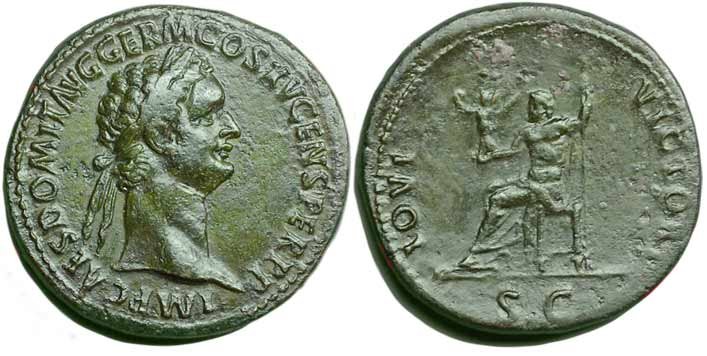
Ancient coins are hand-struck metal currencies produced in the ancient world, roughly between 650 BCE and 1453 CE. They were used for trade, military pay, taxes, religious offerings, and political messaging.
Unlike modern coins:
-
Every ancient coin was struck individually
-
No two examples are perfectly identical
-
Irregularity is expected — and valued
Each coin was created using engraved dies and physical force, meaning every strike left a slightly different fingerprint.
Collector Insight
An ancient coin isn’t “old money.”
It’s a historical document that happens to be round.
🏺 Which Civilizations Made Ancient Coins?
Ancient coinage was produced across many civilizations, including:
-
Ancient Greece – artistic masterpieces and city identity
-
Roman Republic & Empire – portraits, propaganda, power
-
Byzantine Empire – faith and authority struck in gold
-
Persian Empire – imperial wealth and control
-
Celtic Tribes – abstract designs and symbolism
Each culture used coins not only as currency, but as a message to the world.
⚒️ How Were Ancient Coins Made?
Ancient coins were made using a hammer-striking method:
-
Metal was melted and formed into rough blanks (flans)
-
A lower die engraved with a design was fixed in place
-
The flan was placed on top
-
An upper die was struck with a hammer
This explains why ancient coins often show:
-
Off-center designs
-
Uneven edges
-
Slightly rotated images
Red Flag Warning
Perfect symmetry is suspicious. Ancient coins were never machine-perfect.
(👉 Full guide: How Were Ancient Coins Made?)
🪙 What Metals Were Ancient Coins Made From?
Ancient coins were primarily struck in:
-
Gold – prestige, power, large payments
-
Silver – everyday commerce and trade
-
Bronze – local circulation and small transactions
The value of a coin was based largely on weight and metal purity, not face value. This is why ancient economies were surprisingly stable for long periods.
🧠 Why Are Ancient Coins Important Today?
Ancient coins matter because they:
-
Carry real portraits of historical figures
-
Preserve lost art styles and inscriptions
-
Reveal trade routes and political influence
-
Survive when buildings and texts do not
Many ancient coins are the only surviving evidence of forgotten cities or rulers.
Collector Insight
History remembers kings.
Coins remember everyone else.
⚖️ Are Ancient Coins Artifacts or Collectibles?
They are both — and that’s what makes them special.
Ancient coins:
-
Are studied by historians and museums
-
Are legally collected by private individuals
-
Are traded openly by professional dealers
Unlike most artifacts, ancient coins were mass-produced in antiquity and widely circulated, which is why they remain legally collectible today.
(👉 See: Is It Legal to Own Ancient Coins?)
🛑 Common Myths About Ancient Coins
Myth 1: Ancient coins must be rare
→ False. Many types survive in large numbers.
Myth 2: Only gold coins are valuable
→ False. Some bronze coins are rarer than gold.
Myth 3: Ancient coins should look perfect
→ False. Wear is a sign of real use.
🏛️ Where Do Ancient Coins Fit in Numismatics?
Ancient coins form the foundation of numismatics — the study of money.
They came before:
-
Medieval coinage
-
Modern national currencies
-
Paper money
Understanding ancient coins makes every later monetary system easier to understand.
🔗 Continue Your Journey on NumisDon
-
👉 What Is Considered an Ancient Coin?
-
👉 How Were Ancient Coins Made?
-
👉 Greek Coins Explained
-
👉 Roman Coins Explained
Ancient coins are not about owning the past.
They’re about understanding how the world learned to trust metal.