
How to Spot Real Ancient Coins – A Collector’s Guide from Experience
1. Why Authentication Matters (And Why I Got Burned Early On)
So, when I first started collecting ancient coins, I bought a “Roman denarius” from an online seller—I realize it was a crude cast fake one. That sting taught me a hard lesson authentication isn’t just for experts. Whether you’re buying a bronze or gold coin, you need to know how to spot fake coins to save money and heartache, too.
2. What A Real Ancient Coins Look Like (The Devil’s in the Details)
Inscriptions & Legends: When “Too Perfect” is a Red Flag
-
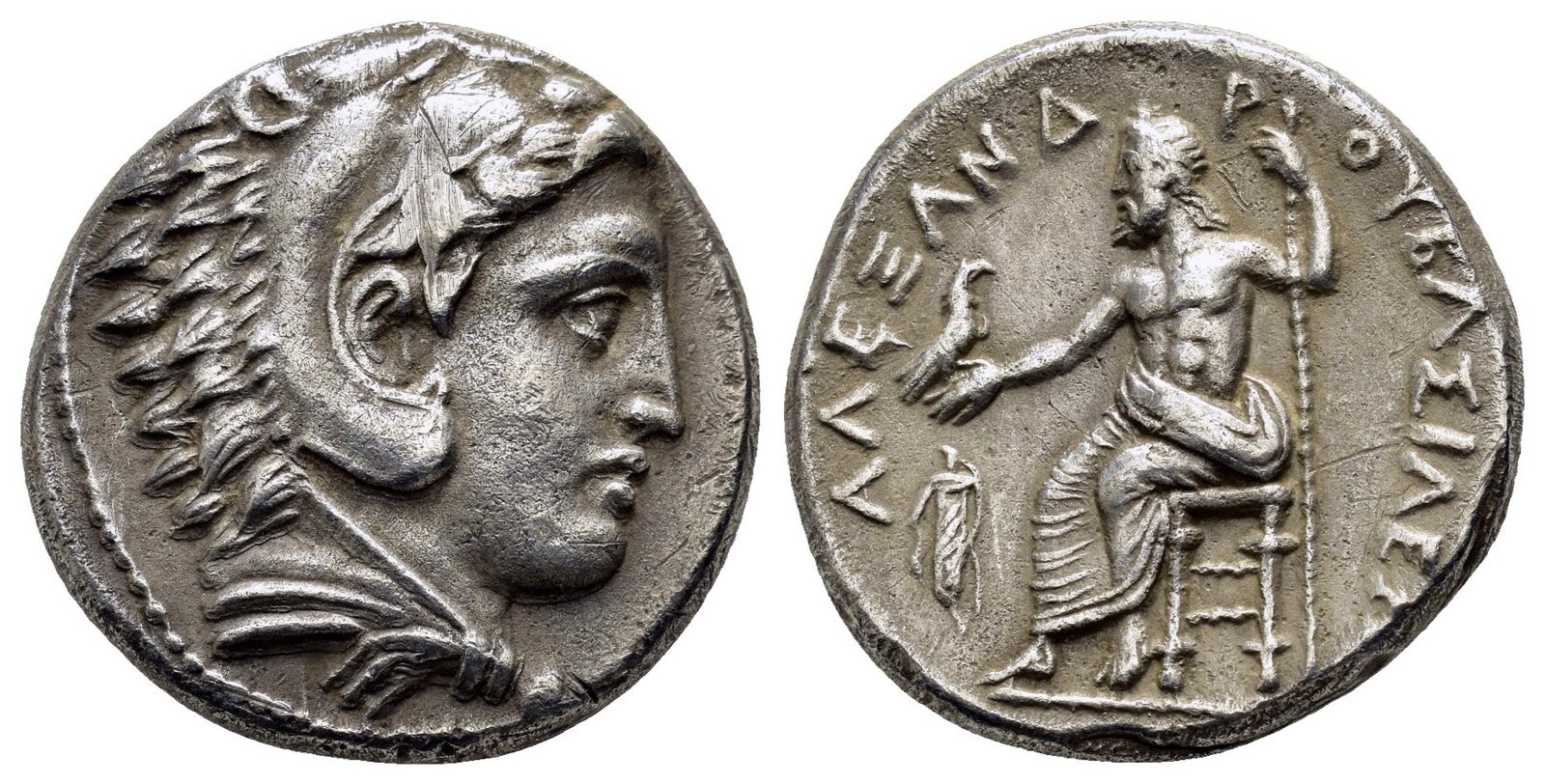
Authentic coins have slightly messy lettering—ancient dies wore out, and strikes weren’t always clean. If the text looks laser-sharp or uniform, be suspicious that might be fake one.
-
I’ve seen fakes where the Latin was just wrong (e.g., mixing Greek and Roman styles). Always cross-check with WildWinds or RPC Online.
Weight & Metal: Trust the Scale
-
A “silver” coin that feels light? Probably a plated fake. I keep a cheap digital scale handy—a real Athenian tetradrachm should weigh ~17.2g. If it’s 15g, walk away.
-
Bronze coins shouldn’t smell like chemicals. If that “ancient patina” rubs off with acetone, it’s modern paint.
Mint Marks & Die Flaws: The Good Kind of Imperfection
-
Look for tiny symbols (e.g., a crescent for Carthage). Fakes often place them wrong or omit them entirely.
-
Die cracks and uneven strikes are good signs—ancient mints didn’t have perfect quality control.
3. Common Fakes (And How I Learned to Spot Them)
Cast vs. Struck: Bubbles Are Bad News
-
Cast fakes (poured into molds) often have tiny bubbles or a “mushy” look. Hold the coin at an angle under light—real struck coins show flow lines from the hammer.
-
Once, a seller insisted his “Alexander the Great” drachm was real. Under magnification, it had zero die wear—a dead giveaway for a modern strike.
The Patina Scam
-
Fake patinas are everywhere. Too-green “bronze disease” or jet-black “silver sulfide” can be faked with chemicals. Real patina grows over centuries and looks organic, not painted.
4. How to Test a Coin Before Buying
The Loupe Test (My #1 Tool)
A 10x loupe is a collector’s best friend. Check for:
-
Machine marks (modern fakes often have tiny parallel lines).
-
Tooling (re-carved details look unnaturally sharp).
The “Trust but Verify” Rule
-
Reputable dealers (like David R. Sear or CNG) are safer, but I still cross-check every coin.
-
For expensive pieces, NGC Ancients or PCGS grading is worth the fee.
5. Where to Get Help (Because Even Experts Get Fooled)
-
Forum Ancient Coins (FORVM): Post clear photos—their community has caught fakes I missed.
-
Local coin clubs: Old-school collectors love pointing out flaws (often brutally, but it helps).
Final Advice: If It Feels Off, It Probably Is
I’ve passed on “bargains” that smelled fishy—and later saw the same coins exposed as fakes. Patience beats regret. When in doubt, walk away.