
How to Clean Ancient Coins Safely: The Collector’s Step-by-Step Method
Introduction – Why Cleaning Ancient Coins Can Be a Dangerous Delight
It’s one of the oldest temptations in numismatics: you find a centuries-old bronze coin, encrusted in green soil and history, and think, “Just a quick rinse can’t hurt.”
I’ve watched even experienced collectors ruin coins worth hundreds of dollars with toothbrushes, acids, or ultrasonic baths. The truth? Cleaning ancient coins is as much an art as it is a science.
When done correctly, it can reveal details of emperors, legends, and mint marks hidden for millennia. Done recklessly, it erases those very details forever.
In this guide, we’ll cover the safe, professional methods of cleaning ancient coins, tools you can trust, and which coins you should never touch.
🏛️ Before You Begin: Should You Even Clean It?
The first rule every conservator learns: not every coin should be cleaned.
When to Leave It Alone
-
Coins with beautiful natural patina (olive, dark brown, or emerald)
-
Coins that already show clear legends and busts
-
Gold and electrum coins — they rarely need cleaning
-
Any coin you plan to resell or grade (grading services prefer untouched surfaces)
💬 Remember: “Original surfaces age gracefully — scrubbed coins age artificially.”
When Cleaning Is Justified
-
Encrustations or dirt obscure the design
-
Bronze disease (light powdery green corrosion) threatens the metal
-
You’re working with low-value training coins for practice
🧰 Essential Tools for Safe Coin Cleaning
| Tool | Use | Notes |
|---|---|---|
| Distilled Water | Gentle soaking | Never tap water (minerals stain) |
| Soft Bristle Brush / Bamboo Toothpick | Remove loose dirt | Plastic-free, non-metal tips |
| Olive Oil or Mineral Oil | Long-term soak for crusted bronzes | Change oil monthly |
| Dental Pick (Plastic) | Detailing edges | For experienced hands only |
| Cotton Swabs | Apply solutions precisely | Avoid lint buildup |
| Compressed Air or Blower | Dry without rubbing | No hairdryers — heat cracks patina |
| Magnifier / Microscope | Track progress | 5×–10× recommended |
Optional: a pH-neutral soap like Marseille or Castile (a drop in water for light cleaning).
🪙 Step-by-Step Method: How to Clean Ancient Coins Safely
Step 1: Visual Inspection and Documentation
Take macro photos of both sides before you begin. Note color, patina, and any cracks or flaking.
Step 2: Initial Rinse
Soak in distilled water for 24–48 hours.
Replace water daily; gently brush under water with soft bristles.
Step 3: Long Soak for Encrusted Coins
If the coin is heavily caked, transfer to olive oil or mineral oil for up to several weeks.
The oil penetrates dirt layers without attacking metal.
🧭 Pro Tip: Patience wins — professional conservators often soak coins for months before touching them.
Step 4: Mechanical Cleaning (Only if Needed)
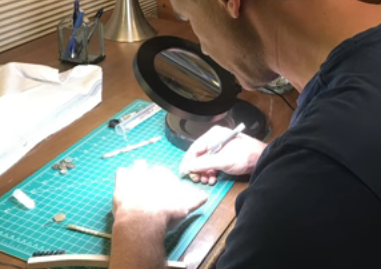
After soaking, use a bamboo toothpick or plastic dental tool to tease off softened dirt.
Work under magnification and never scrape metal surfaces.
Step 5: Final Rinse and Dry
Rinse again in distilled water. Pat dry on microfiber cloth.
Let air-dry completely — moisture trapped under patina can trigger corrosion.
Step 6: Stabilization and Storage
If bronze disease persists, treat with benzotriazole (BTA) or store the coin in a sealed, low-humidity box with silica gel.
🧠 Methods to Avoid (Collector Nightmares)
| Method | Why It Fails |
|---|---|
| Vinegar or Lemon Juice | Acids eat bronze and leave pink streaks. |
| Electrolysis | Destroys patina; turns antiques into souvenirs. |
| Steel Brushes / Dremel Tools | Leave scratches visible under magnification. |
| Household Cleaners or Soap | Contain salts; corrode over time. |
| Ultrasonic Cleaners | Can detach flakes and plating layers. |
📸 Understanding Patina: The Coin’s Protective Skin
Patina is not dirt — it’s history.
It forms when copper, bronze, or silver interacts with soil and oxygen over centuries, creating colors from dark chocolate to sea green.
Destroying patina not only kills value but also exposes raw metal to corrosion.
| Patina Color | Meaning | Keep or Remove? |
|---|---|---|
| Brown / Olive | Stable bronze oxidation | Keep |
| Black / Gray | Silver tarnish | Keep |
| Powdery Green | Active chlorides → Bronze disease | Remove & treat |
| Bright Pink or Orange | Exposed bare copper | Stop cleaning immediately |
💼 How Museums Do It: Professional Conservation Techniques
At the British Museum and the Vatican Museo Numismatico, conservators rely on slow, chemical-free cleaning.
They record each step, stabilize humidity at 40 %, and avoid bright light exposure.
You can mimic these principles at home:
-
Keep coins in acid-free holders or Mylar flips.
-
Use inert trays (no PVC).
-
Maintain stable humidity and avoid attic storage.
🧩 Internal NumisDon Connections
-
Where to Buy Authentic Ancient Coins Online
-
Are Ancient Coins a Good Investment in 2025?
-
The Art of Cleaning Ancient Coins (Advanced Guide PDF)
-
Ancient Coin Value Chart & Preservation Tips
💡 FAQs – Cleaning Ancient Coins
Q 1. Can I use soap and water on ancient coins?
Only a drop of mild, pH-neutral soap in distilled water — never detergents or tap water.
Q 2. Should I clean gold coins?
Generally no. Gold resists corrosion and cleaning adds no benefit.
Q 3. What is bronze disease and how do I stop it?
A chloride-based corrosion that spreads in humidity. Rinse with distilled water, dry thoroughly, and store with desiccants or treat with BTA.
Q 4. Is olive oil really safe?
Yes for short-term soaks (weeks), but change regularly to avoid rancidity.
Q 5. Can I restore a coin to shine?
You can remove dirt, not time. Collectors value honest patina over mirror shine.
🪙 Conclusion – Clean Less, Preserve More
The best cleaning you can do is often the one you choose not to do.
Patience and respect for history turn a dirty coin into a document of civilization.
So before you reach for that brush, remember: every scratch is a lost word in an ancient story.
Preserve wisely — and let your coins speak for themselves for another two thousand years.
Author: Dr. Elena Voss – Numismatist & Conservation Advisor to European Museums