
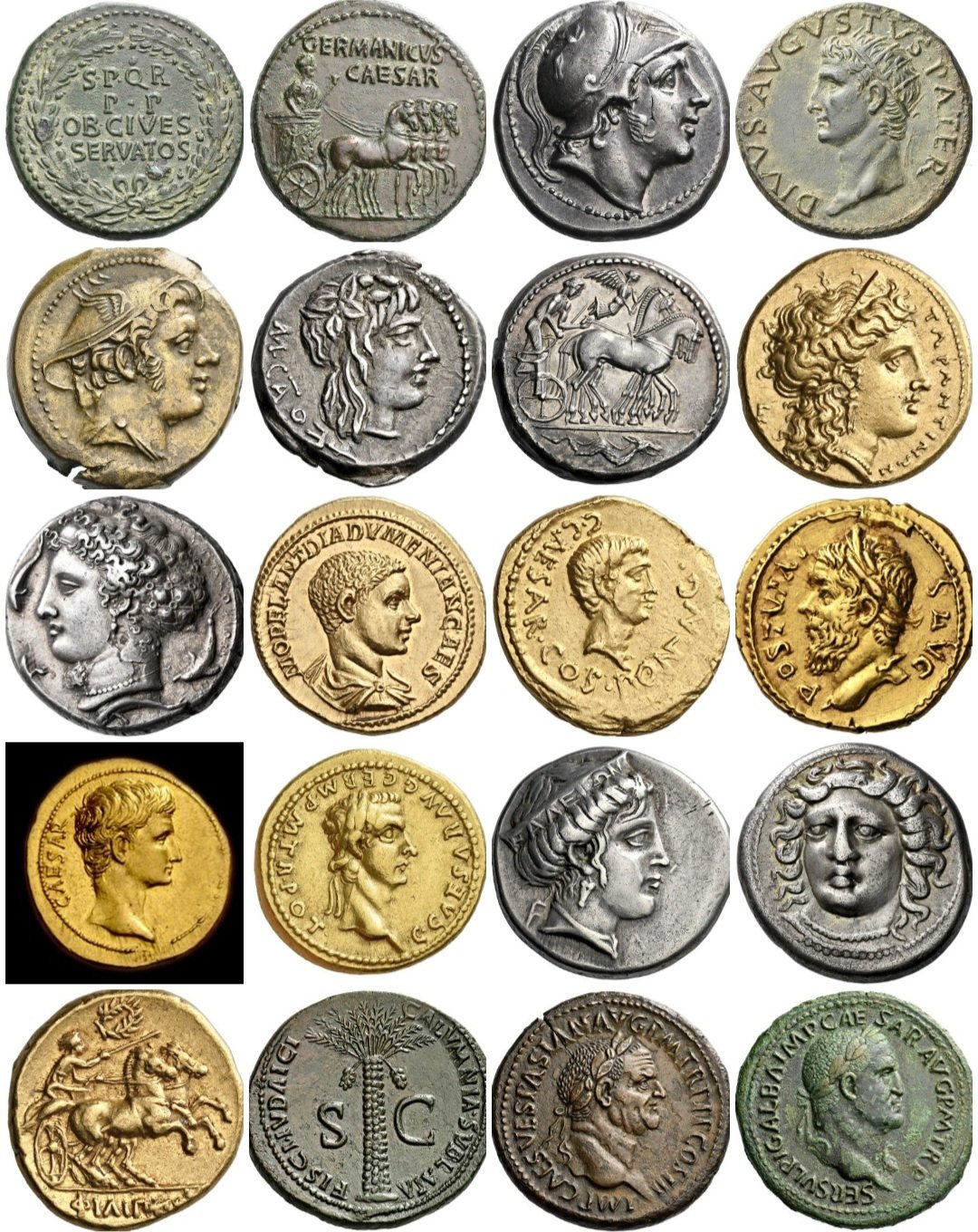
What Makes a Coin “Ancient”? Definition, History, and Timeline
The word ancient is often used loosely. A coin from the 1800s may look old, worn, and unfamiliar, yet in numismatics it is not considered ancient. On the other hand, a small bronze coin with barely visible details might be over 2,000 years old.
So what actually makes a coin ancient?
The answer is not about appearance or value. It is about time, production methods, and historical context. Understanding this distinction is essential for anyone beginning their journey into ancient coins.
What Is the Definition of an Ancient Coin?
In numismatic terms, an ancient coin is generally defined as a coin struck between approximately 600 BCE and 500 CE.
This period begins with the earliest coinage in the ancient world and ends with the transition to medieval monetary systems.
Ancient coins share three defining characteristics:
-
They were hand-struck, not machine-made
-
They belong to classical antiquity
-
They were issued by ancient civilizations, not modern states
If a coin fits these criteria, it is considered ancient regardless of condition or metal.
When Were the First Coins Created?
The earliest known coins appeared around the late 7th century BCE.
These first coins were not round, shiny, or uniform. They were made from electrum, a natural alloy of gold and silver, and struck with simple designs such as punches, symbols, or animal motifs.
Early coinage emerged to solve practical problems:
-
Standardizing value
-
Facilitating trade
-
Establishing trust in transactions
Once the idea proved useful, coinage spread rapidly across the ancient world.
The Main Historical Periods of Ancient Coinage
Ancient coins are usually grouped into three major cultural periods.
Ancient Greek Coinage (c. 600–30 BCE)
Greek city-states were among the first to adopt coinage widely. Each city issued its own coins, often displaying local gods, symbols, or emblems.
Greek coins are known for:
-
Artistic beauty
-
Mythological imagery
-
City-based identity rather than rulers
Coins from this period were primarily silver and followed strict weight standards.
Roman Coinage (c. 300 BCE–476 CE)
Roman coinage evolved alongside Roman political power.
Early Roman coins were simple and heavy. Over time, portraits of leaders and emperors became standard, turning coins into tools of propaganda and authority.
Roman coins typically feature:
-
Realistic portraits
-
Political messages
-
Titles and official inscriptions
This is one of the most diverse and widely collected areas of ancient numismatics.
Byzantine Coinage (c. 330–500+ CE)
Byzantine coins represent the later phase of ancient coinage and the transition toward medieval money.
They are often characterized by:
-
Christian symbolism
-
Stylized portraits
-
Strong imperial themes
Although Byzantine coins extend beyond 500 CE, early Byzantine issues are usually included within the ancient category.
Why the Timeline Matters
Understanding the ancient coin timeline helps avoid common mistakes.
For example:
-
A medieval hammered coin may look ancient, but it belongs to a different era
-
A Roman-style modern replica may look authentic, but it is not ancient
-
A worn 19th-century coin is old, but not ancient
Time period matters more than condition.
How Ancient Coins Were Made (Key Difference)
Ancient coins were hand-struck.
The process involved:
-
Heating a metal blank
-
Placing it between two engraved dies
-
Striking it with a hammer
Because of this:
-
Coins are rarely perfectly centered
-
Thickness varies
-
Shapes are often irregular
These characteristics are normal and expected in ancient coins.
Ancient vs Medieval vs Modern Coins
Understanding the differences helps with identification.
Ancient coins
-
Hand-struck
-
Irregular
-
Pre-500 CE
-
Classical imagery
Medieval coins
-
Still hand-struck
-
More standardized
-
Christian and feudal themes
-
Post-500 CE
Modern coins
-
Machine-made
-
Uniform
-
Issued by nation-states
-
Industrial precision
This distinction is critical when researching or cataloging a coin.
Why Ancient Coins Are Still Studied Today
Ancient coins are primary historical sources.
They provide:
-
Names of rulers
-
Religious beliefs
-
Political messages
-
Economic information
In many cases, coins preserve information that does not survive in written texts.
Common Misconceptions About Ancient Coins
Many beginners assume:
-
All ancient coins are rare
-
All ancient coins are expensive
-
Ancient coins must look perfect to be valuable
In reality:
-
Many ancient coins were produced in large quantities
-
Bronze coins are common and affordable
-
Wear is expected and historically meaningful
Condition affects value, but not authenticity or importance.
Final Thoughts
A coin is considered ancient not because it looks old, but because it belongs to a specific moment in human history — when money was first created, standardized, and used to shape civilizations.
Understanding what makes a coin ancient is the foundation of proper identification, study, and appreciation. Once this timeline is clear, everything else becomes easier to learn.