Roman Coins Value: A Collector’s Journey Through Time and Treasure
Why Roman Coins Still Steal the Show
Roman coins value! There’s a moment every collector knows. You’re at a coin fair, a dusty antique shop, or maybe scrolling late at night, and you spot it — a small disc of metal with the faint outline of an emperor’s profile. You hold it (or click the listing) and realize… this coin outlived kingdoms, crossed continents, and has somehow found its way to you.
Roman coins have that magic. They’re not just currency; they’re ancient storytellers. Each one has been touched by soldiers, merchants, or emperors themselves. And their value? Well, that depends on a whole lot more than just gold or silver.
This guide isn’t just about numbers — it’s about understanding what makes these coins special, how to read their secrets, and how to know if the one in your hand is worth a modest dinner or a down payment on a house.
The Main Types of Roman Coins (And What They’re Worth)
When people ask me, “What’s the most valuable Roman coin?” I usually smile — because there’s no single answer. Value depends on type, condition, history, and sometimes just the right buyer on the right day. But here’s the lay of the land:
Gold Coins – The Crown Jewels of Rome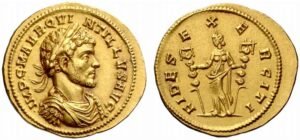
Imagine cradling in your palm the equivalent of a month’s pay for a Roman soldier — a coin that once passed through the hands of generals, merchants, or maybe even a senator.
-
Aureus – Pure gold, struck during the Republic and early Empire, often with portraits so lifelike you can almost meet the emperor’s gaze.
-
Solidus – Introduced in the 4th century under Constantine, still heavy with gold but slimmer and more refined in shape.
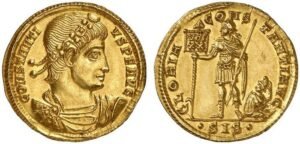
💰 Typical Market Range: $1,500 – $50,000+, with rare types breaking into the six-figure territory.
Silver Coins – The Empire’s Workhorse
These were the everyday coins of Rome, though “everyday” doesn’t mean ordinary.
-
Denarius – The backbone of Roman commerce for centuries, loved by collectors for its artistry and variety.
-
Antoninianus – A slightly larger piece that, over time, lost some of its silver purity, quietly replaced by copper.
-
Siliqua – A delicate, wafer-thin silver coin from the Empire’s later days, often with graceful, minimalist designs.
💰 Typical Market Range: $50 – $2,000+, though certain Julius Caesar or Brutus issues can reach far higher.
Bronze & Copper Coins – Big, Bold, and Collectible
These might not carry the weight of gold, but they have a presence — especially in the hand.
-
Sestertius – Large, heavy, and a joy to hold, with portraits and reverses big enough for remarkable detail.
-
As – Modest in size, yet steeped in history.
-
Follis – Common in the later Empire, an affordable starting point for new collectors.
💰 Typical Market Range: $10 – $500+, with certain emperors or designs commanding more.
What Really Decides Value?
Let me be blunt — two coins that look almost identical can differ in value by hundreds of dollars. Here’s why:
What Affects Value?
- 1. Ruler & Historical Significance
Coins tied to famous names like Julius Caesar, Augustus, or Constantine the Great usually fetch higher prices. Special historical moments — like the assassination of Caesar or Constantine’s conversion to Christianity — can push values into the thousands. - 2. Rarity
Some coins are rare simply because few were made; others because few survived. An obscure usurper’s bronze coin might be worth more than a common emperor’s gold if it’s scarce enough. - 3. Condition (Grade)
A coin’s condition, or grade, is critical. Collectors use terms like Fine (F), Very Fine (VF), or Extremely Fine (EF). Two coins of the same type can have wildly different prices if one has a sharp portrait and the other is worn smooth. - 4. Metal
Gold and silver coins have intrinsic value, but their historical and collector value usually far exceeds melt price. Bronze coins can still be extremely valuable if rare and in excellent shape. - 5. Demand
Trends shift — certain emperors, reverses, or mints can suddenly become “hot” due to exhibitions, auctions, or scholarly publications.
(Internal link: Ancient Coin Grading Guide)
Roman Coin Values
Roman coins can range from pocket change to the price of a luxury car — and sometimes more. Value depends on a mix of history, rarity, and condition. The fun part? You don’t need to spend a fortune to own a genuine piece of Rome.
Typical Price Ranges
(All prices in USD — values vary by market and auction results)
-
Bronze (common types): $20–$150
-
Silver Denarius (common types): $50–$300
-
Silver Antoninianus: $20–$150
-
Gold Aureus: $2,000–$15,000+
-
Gold Solidus: $800–$4,000+
-
Rare types & historical events: $10,000–$500,000+
(Internal link: Full Roman Coin Value Guide)
Auction Highlights
-
An EID MAR Denarius of Brutus (commemorating Caesar’s assassination) sold for over $3.5 million in 2020 — setting a record for an ancient coin.
-
A gold aureus of Hadrian in mint condition can bring $30,000+ at major auctions.
-
Even humble bronzes, if rare, can top $1,000.
Collector’s Tip
Don’t chase only the expensive coins. Some of the most fascinating pieces are affordable bronzes with quirky reverses or coins with visible circulation marks — the kind that passed through countless hands before ending up in yours.
Identifying Your Roman Coin: The Collector’s Ritual
Whenever I get a new coin, here’s my process — it’s part detective work, part time travel.
-
Obverse (Front) – Usually the emperor’s bust. Read the inscription — even partial letters help.
-
Reverse (Back) – Military victories, gods, temples… they tell you the coin’s propaganda.
-
Mint Marks – Small letters at the bottom, often revealing where it was struck.
-
Weight & Diameter – Compare with known standards.
-
Reference Guides – The “RIC” (Roman Imperial Coinage) volumes are a must.
🔍 Full guide: How to Identify Ancient Roman Coins
Real-World Value Examples (Auction Highlights)
| Coin Type | Emperor | Year | Metal | Grade | Auction Price |
|---|---|---|---|---|---|
| Aureus | Augustus | 19 BC | Gold | VF | $18,000 |
| Denarius | Julius Caesar | 44 BC | Silver | VF | $2,750 |
| Sestertius | Hadrian | 134 AD | Bronze | VF | $480 |
| Solidus | Constantine I | 327 AD | Gold | EF | $5,200 |
Buying and Selling Without Regret
Over the years, I’ve seen too many collectors overpay because they bought in a rush. My advice:
-
Buy the coin, not the story — unless you can verify the story.
-
Stick to reputable dealers (Heritage, CNG, VCoins, MA-Shops).
-
At auctions, set your max bid and don’t get swept up in adrenaline.
Caring for Your Roman Coins
These coins have survived two thousand years — don’t be the one to ruin them.
-
Store in acid-free holders or slabs.
-
Avoid cleaning — scratches destroy value.
-
Keep records of purchase and provenance.
Building a Collection That Means Something
Anyone can buy random coins, but a collection tells a story. Choose a theme:
-
Coins from one emperor or dynasty.
-
All coins from a specific year.
-
Only military-themed reverses.
The joy is in the hunt — and in learning with every acquisition.
Resources Worth Their Weight in Gold
-
Roman Imperial Coinage (RIC) series.
Where to Go Next
If you’re still learning the ropes, you might want to check out:
-
Main Types of Roman Coins » — to see which coins fit your budget and interests.
-
Identifying Roman Coins » — to make sure you know exactly what you’re buying.
-
Roman Coins » — the main hub for everything about Roman coins.
Final Thought:
A Roman coin is more than a collectible — it’s a handshake with history. Whether it cost you twenty bucks or twenty thousand, treat it with the respect it’s earned over centuries. The more you learn, the more you’ll realize each coin has a life story, and knowing that story is what turns a buyer into a true collector.
📥 Free Download: Roman Coins Value Chart (PDF) – Keep it handy for quick reference.