
Roman Coin Legends Explained for Beginners
If you’ve ever picked up a Roman coin and thought:
“This looks amazing… but I can’t read a single word.”
You’re not alone.
Roman coin legends are written in abbreviated Latin, often worn, and sometimes confusing. But here’s the truth:
Once you learn the structure, they become predictable.
And once they become predictable, you can date and identify most coins yourself.
Let’s break it down step by step.
What Is a Roman Coin Legend?
A legend is the inscription around the coin.
On Roman coins, you usually have:
-
Obverse legend → around the emperor’s portrait
-
Reverse legend → around the scene on the back
These inscriptions tell you:
-
The emperor’s name
-
His titles
-
His rank
-
Sometimes the political message
Step 1: Understand the Structure
Most Roman obverse legends follow this formula:
[Title] + [Name] + [Honorific Titles]
Example:
DN CONSTANTINVS PF AVG
Let’s decode it.
DN – Dominus Noster
Means: “Our Lord”
Used mostly in the Late Roman Empire.
You’ll see this on coins of emperors like:
-
Constantine I
-
Constantius II
-
Valens
If your coin starts with DN, it’s likely 4th century or later.
IMP – Imperator
Means: “Commander” or “Emperor”
Very common on earlier imperial coins.
Example:
IMP CAESAR TRAIANVS AVG
Seen on coins of:
-
Trajan
-
Hadrian
-
Marcus Aurelius
CAES – Caesar
Originally a family name (Julius Caesar).
Later it meant:
-
Junior emperor
-
Heir to the throne
AVG – Augustus
Means “Revered One”
If the legend ends in AVG, it means the ruler is the senior emperor.
If it says CAES instead, he may be junior ruler.
PF – Pius Felix
Means:
-
Pius = Dutiful
-
Felix = Fortunate
Very common in 3rd–4th century coins.
A Real Example Breakdown
Legend:
IMP GORDIANVS PIVS FEL AVG
Breakdown:
-
IMP = Imperator
-
GORDIANVS = Emperor Gordian
-
PIVS FEL = Dutiful and fortunate
-
AVG = Augustus
This identifies:
Gordian III (AD 238–244)
Now you have a date range.
Reverse Legends: Political Messaging
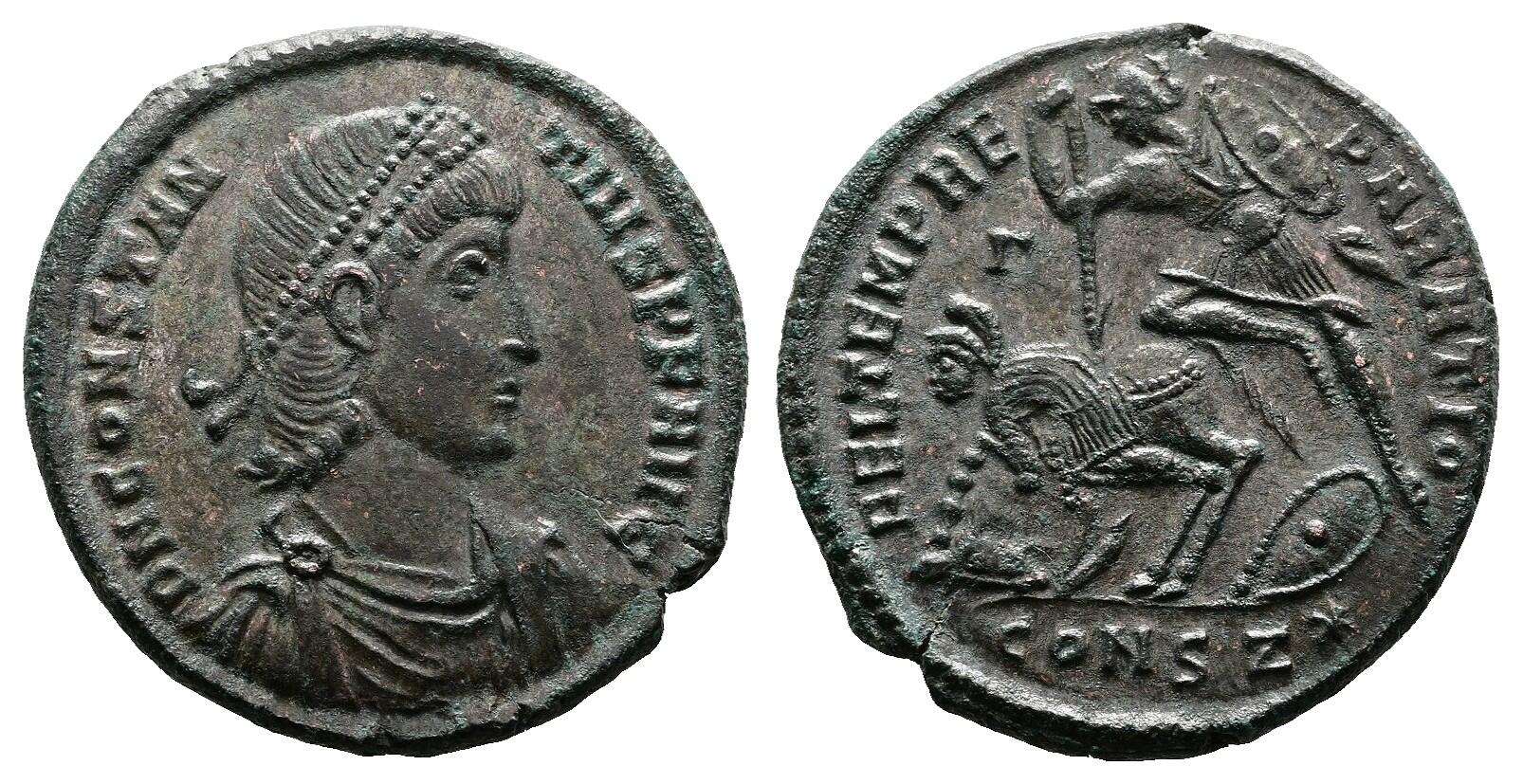
Reverse legends often show propaganda.
Common ones:
GLORIA EXERCITVS → “Glory of the Army”
FEL TEMP REPARATIO → “Happy Times Restored”
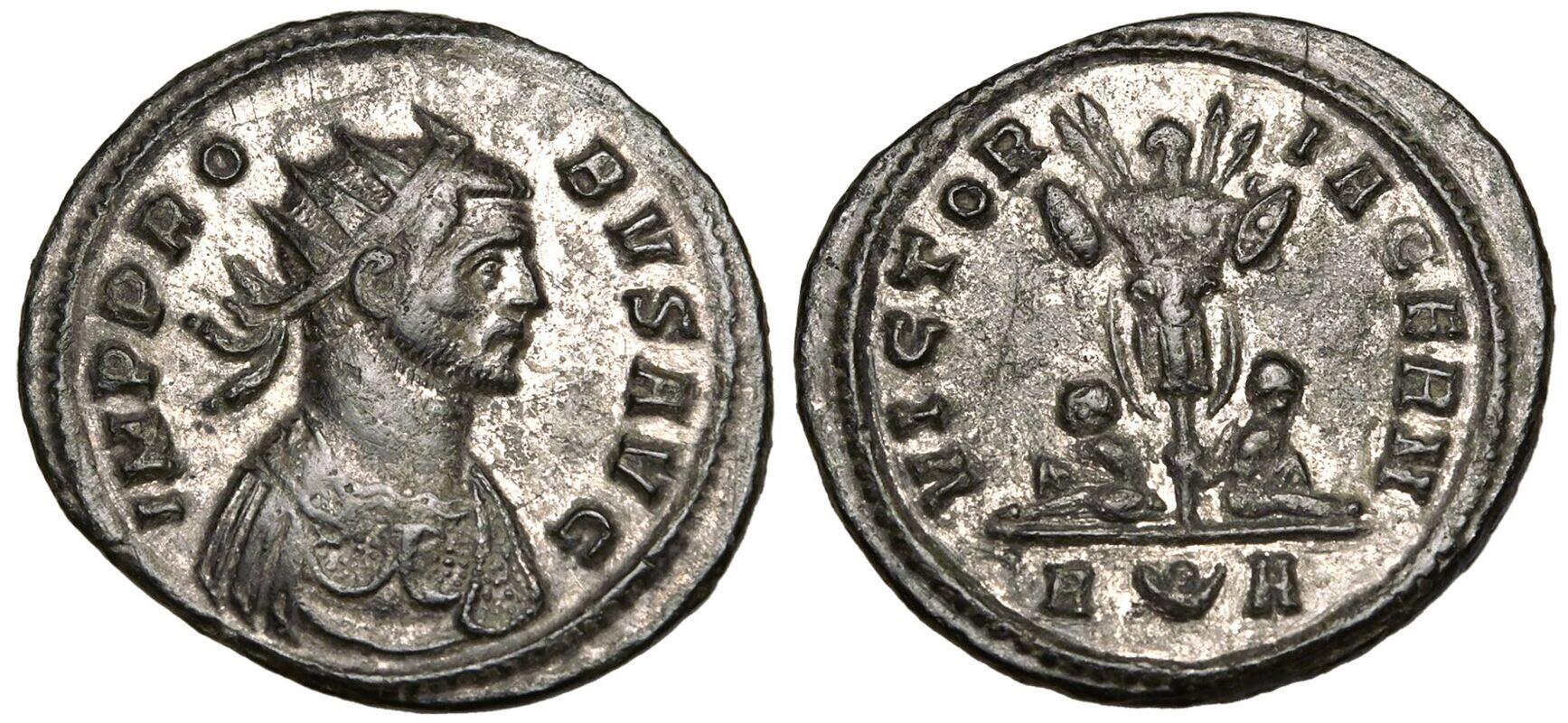
VICTORIA AVG → “Victory of the Emperor”
SECVRITAS REIPVBLICAE → “Security of the State”
These tell you about the political situation at the time.
Step 2: Learn Common Abbreviations
Here are the most important ones:
| Abbreviation | Meaning |
|---|---|
| IMP | Imperator |
| CAES | Caesar |
| AVG | Augustus |
| PF | Pius Felix |
| DN | Dominus Noster |
| TRP | Tribunicia Potestas |
| COS | Consul |
| PP | Pater Patriae |
If you recognize 3–4 of these, you can decode most coins.
Step 3: How Legends Help You Date Coins
Some emperors used certain titles only after specific years.
Example:
If a coin says:
TRP XII
It means the emperor held tribunician power for the 12th year.
That narrows the date significantly.
This method is extremely powerful for 1st–3rd century coins.
Step 4: What If the Legend Is Worn?
Here’s a trick collectors use:
-
Identify visible letters
-
Match them with emperor names
-
Cross-reference portrait style
If you can read “…STANTIN…” it’s almost certainly Constantine.
Even partial legends are enough.
Common Beginner Mistakes
❌ Thinking worn legends are useless
❌ Ignoring reverse inscriptions
❌ Not learning basic abbreviations
❌ Confusing similar names (Constans vs Constantius)
Why Learning Legends Changes Everything
Once you understand Roman coin legends:
-
You can identify emperors without Google
-
You can detect fakes more easily
-
You understand the political message
-
You gain confidence as a collector
And confidence leads to better buying decisions.
Quick Beginner Checklist
✔ Read first 3 letters
✔ Look for AVG or CAES
✔ Identify emperor name
✔ Check reverse legend
✔ Cross-reference reign dates
Final Thoughts
Roman coin legends look intimidating at first.
But once you decode them, they become predictable.
And once they become predictable, Roman coins stop being mysterious objects and start becoming historical documents you can read.
If you want the next step, read:
-
Roman Coin Mint Marks Guide
-
How to Identify Late Roman Bronze Coins
-
How to Tell If a Roman Coin Is Real