
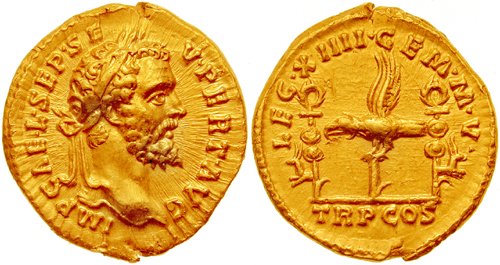
Roman Aureus Coin: The Gold of the Emperors
Meta Title: Roman Aureus Coin – History, Value & Collector’s Guide
Meta Description: Explore the Roman aureus — the gold coin that defined imperial power. Learn its history, value, and how to identify authentic aurei with expert insights from Dr. Elena Voss.
Introduction – When Gold Became the Language of Power
If the denarius was the heartbeat of Rome, the aureus was its soul — rare, radiant, and reserved for emperors, generals, and gods.
Struck in high-purity gold, the Roman aureus was more than currency. It was a statement of absolute authority, a gleaming symbol of the emperor’s divine right to rule.
To hold an aureus is to hold the very essence of Rome’s ambition — power, wealth, and immortality in 7 grams of gold.
🏛️ Origins – The Birth of the Roman Aureus
The aureus first appeared around 211 BC, the same era as the silver denarius.
But unlike its silver sibling, it was minted sparingly — mainly for the elite, military donatives, and foreign diplomacy.
| Specification | Details |
|---|---|
| Metal | Gold (approx. 99% pure) |
| Weight | 7.8–8.0 g (standard) |
| Diameter | 18–21 mm |
| Value | ≈ 25 denarii |
| Era of Use | 211 BC – late 3rd century AD |
Early aurei featured Roma and Victory, while Imperial issues bore portraits of emperors and their dynasties.
💬 The aureus was not meant for common hands — it was the coin of command.
⚖️ The Imperial Transformation
Augustus and the Age of Prestige (27 BC – AD 14)
-
Standardized the aureus at 1/40th of a Roman pound (7.9 g).
-
Featured his youthful portrait on the obverse and Victory or Mars on the reverse.
-
Established the model followed by emperors for 300 years.
Nero’s Adjustment (AD 54–68)
-
Reduced the weight to 1/45th pound (7.3 g) to stretch the gold supply.
-
Marked the start of subtle monetary manipulation — though gold remained trusted.
The Flavian to Antonine Period (AD 69–180)
-
Artistic perfection: lifelike portraits, mythic reverses.
-
Common reverses show Fides (Loyalty), Pax (Peace), Victoria (Victory).
-
Each coin doubled as propaganda — tiny golden sculptures of legitimacy.
The Late Empire (3rd Century AD)
-
Inflation rose, silver debased — but the aureus kept its purity.
-
Eventually replaced by the solidus under Constantine (AD 309–337).
⚠️ Even as silver failed, gold preserved Rome’s prestige. The aureus became the standard of stability.
🪙 Symbolism – The Emperor’s Eternal Face
The Roman aureus captured the divine mythology of leadership:
| Side | Imagery | Meaning |
|---|---|---|
| Obverse | Emperor’s portrait | Authority, divinity, legitimacy |
| Reverse | Gods, virtues, or victories | Imperial ideology |
| Legend | Titles & honors | Political messaging |
For example:
-
AUGUSTUS – PATER PATRIAE → “Father of the Nation.”
-
TRAJAN – OPTIMUS PRINCEPS → “The Best Ruler.”
-
CONSTANTINE – SOL INVICTO COMITI → “To the Unconquered Sun.”
🌞 The aureus was both art and propaganda — a tiny golden temple of power.
💰 Roman Aureus Value (2025 Market Overview)
| Type | Emperor | Grade | Typical Price (USD) | Notes |
|---|---|---|---|---|
| Republican Aureus (pre-27 BC) | Julius Caesar | VF – XF | $5 000 – $15 000 | Rare, historical |
| Augustus / Tiberius | Early Empire | VF – XF | $2 500 – $7 000 | Classical design |
| Nero / Vespasian | Flavian Dynasty | VF – XF | $2 000 – $6 000 | High relief portraits |
| Trajan / Hadrian | High Empire | VF – XF | $2 500 – $5 000 | Superb artistry |
| Marcus Aurelius / Commodus | Late Antonine | VF | $1 800 – $3 500 | Stoic philosopher coin |
| Septimius Severus / Caracalla | Severan | F – VF | $1 200 – $2 800 | Common investment coin |
| Late Aureus (Diocletian – Constantine) | 3rd–4th c. | VF | $900 – $2 000 | Transitional to solidus |
📈 Aurei have appreciated steadily — +50% in value over the last decade.
🔍 How to Identify Authentic Aurei
-
Weight: Between 7.0–8.0 grams. Deviations often indicate counterfeit or clipped edges.
-
Strike: Deep, crisp detail; ancient dies show hand-engraved artistry.
-
Metal Tone: True aurei show warm yellow luster — not the pale brass of replicas.
-
Reverse Themes: Match historical periods (no anachronistic pairings).
-
Certification: Buy NGC-graded aurei or coins with recorded provenance.
🧠 Many modern fakes are made of 18k gold — heavier but stylistically crude.
🏦 Where to Buy Roman Aureus Coins
Trusted sources for authentic aurei for sale:
-
CNG – Classical Numismatic Group – Museum-grade examples.
-
Leu Numismatik – Swiss auctions with documented aurei.
-
Roma Numismatics Ltd – UK specialists in imperial gold.
-
VCoins Marketplace – Certified dealer listings.
-
NumisDon Marketplace – Future educational listings and collector insights.
⚔️ Famous Roman Aureus Coins
| Emperor | Reverse | Description | Estimated Value |
|---|---|---|---|
| Julius Caesar | Venus / Elephant | First living portrait coin | $10 000+ |
| Augustus | Gaius & Lucius standing | Dynastic heir coin | $6 000+ |
| Nero | Temple of Janus | Closure of temple doors (peace) | $4 500 |
| Hadrian | Africa / Egypt allegories | Artistic masterpiece | $3 500 |
| Marcus Aurelius | Pax seated | Symbol of Stoic peace | $2 800 |
| Constantine the Great | SOL INVICTO | Transitional solidus issue | $1 200 |
🧩 Why Collectors Love the Roman Aureus
-
Ultimate Prestige: Gold of the emperors — the crown jewel of Roman coinage.
-
Historical Depth: Each coin marks a turning point in empire politics.
-
Investment Security: Gold + historical rarity = enduring value.
-
Artistic Beauty: Portraits and inscriptions unmatched in ancient minting.
💬 To own an aureus is to hold history’s most powerful handshake.
🔗 Internal NumisDon Connections
-
Roman Denarius – Silver, Empire, and Power
-
Greek Coins of Athens – The Owl That Defined Currency
-
Top 25 Most Valuable Ancient Coins Ever Sold
-
Are Ancient Coins a Good Investment in 2025?
-
How to Identify Counterfeit Ancient Coins
💬 FAQs – Roman Aureus
Q 1. What is a Roman aureus made of?
Almost pure gold — usually 99% fine.
Q 2. How much is a Roman aureus worth today?
Anywhere from $1 000 to over $15 000 depending on emperor, rarity, and grade.
Q 3. Who was the first emperor to issue aurei?
Julius Caesar was among the earliest, followed by Augustus who standardized it.
Q 4. Are aurei a good investment?
Yes — they combine intrinsic gold value with historical rarity and strong demand.
Q 5. What replaced the aureus?
The solidus, introduced by Constantine the Great, continued the golden legacy.
🏺 Conclusion – The Empire in Gold
The Roman aureus was not just money — it was Rome’s reflection in the mirror of eternity.
Forged in pure gold, it carried the emperor’s image across continents and centuries, outlasting the empire itself.
Today, owning an aureus is like holding a piece of the sun — a fragment of Rome’s undying brilliance.
💬 The aureus remains the emperor of all ancient coins — unchallenged, unforgotten, eternal.
Author: Dr. Elena Voss – Numismatist & Imperial Coinage Specialist