
How to Clean Roman Coins Safely (Without Damaging Them)
Do you want to learn how to clean Roman coins safely without destroying their value. Well, here you gonna find a step-by-step methods for bronze and silver coins, including other metal.
Let me start with something important:
Most Roman coins should NOT be cleaned aggressively.
Many beginners ruin valuable coins within minutes because they think “cleaning” means “making shiny.”
Ancient coins are not modern pocket change.
They carry:
-
Natural patina
-
Historical surface
-
Collector value
Let’s do this properly.
First Question: Should You Clean It at All?
Before touching anything, ask:
-
Is the coin already identifiable?
-
Is the surface stable?
-
Is there heavy dirt blocking details?
If the coin already shows:
-
Clear portrait
-
Clear legend
-
Natural patina
Stop. Do not clean it.
Over-cleaning reduces value more than dirt ever will.
Bronze vs Silver: Different Rules
Roman coins are usually:
-
Bronze (most common, especially Late Roman)
-
Silver (denarii, antoniniani)
Cleaning methods differ for each.
🟤 Cleaning Roman Bronze Coins (Safest Method)


Step 1: Soak in Distilled Water
Use ONLY distilled water.
Not tap water.
Tap water contains minerals that damage bronze over time.
Soak for:
-
A few days
-
Sometimes weeks
Change water daily.
Step 2: Gently Brush
Use:
-
Soft toothbrush
-
Wooden toothpick
Never use:
-
Metal tools
-
Steel brushes
-
Sandpaper
You are removing dirt — not metal.
Step 3: Repeat Soaking
Ancient dirt loosens slowly.
Patience is everything.
Professional collectors sometimes soak coins for months.
⚠️ Never Do This to Bronze Coins
❌ Vinegar
❌ Lemon juice
❌ Baking soda scrubbing
❌ Wire brush
❌ Olive oil (controversial and risky long-term)
Acids strip patina permanently.
And patina is part of the coin’s value.
What Is Patina?
Patina is the natural surface layer formed over centuries.

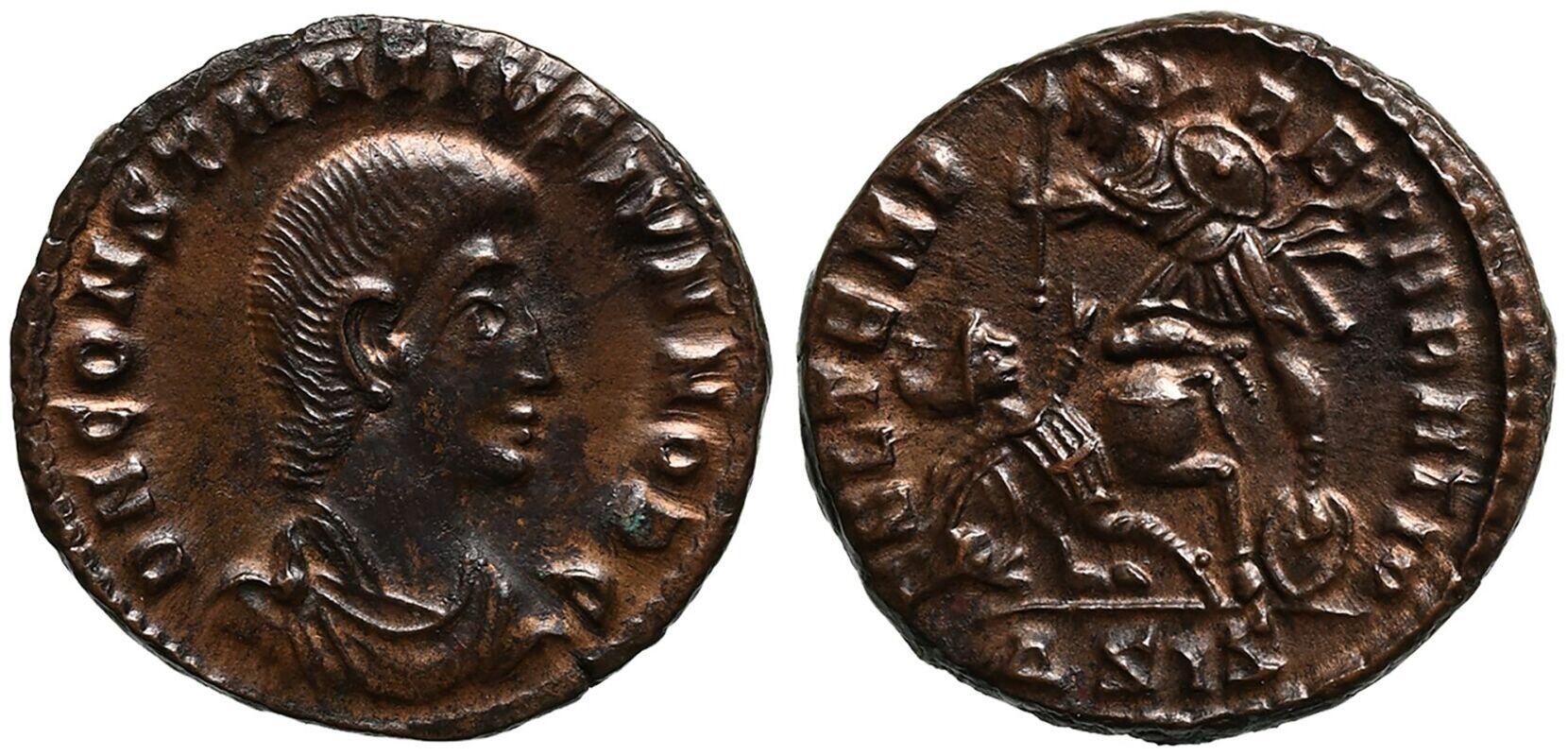
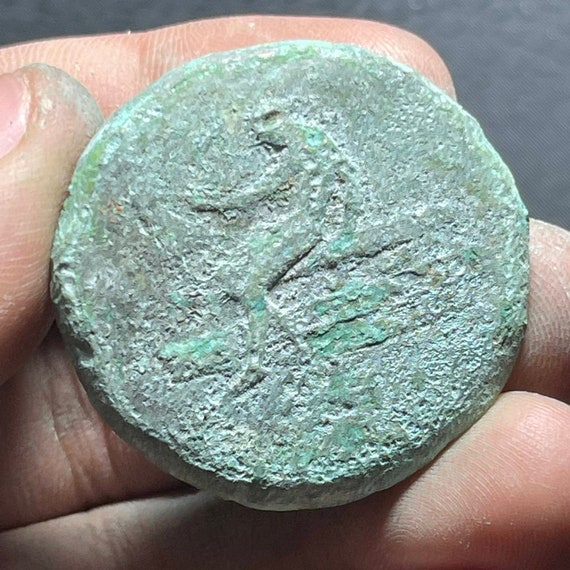
Good patina:
-
Dark brown
-
Green
-
Smooth and stable
If you remove it, the coin:
-
Looks unnatural
-
Loses value
-
Becomes harder to sell
Cleaning Roman Silver Coins
Silver is less fragile than bronze.
But still requires care.
Safe Method:
1️⃣ Soak in distilled water
2️⃣ Use soft brush gently
3️⃣ Avoid chemical dips
Silver toning is desirable.
Do not try to make it shiny.
Collectors prefer natural toning.
What About Electrolysis?
Electrolysis is sometimes used for heavily encrusted bronze coins.
But here’s the truth:
It can:
-
Destroy surface details
-
Remove patina
-
Make coin look artificial
Unless you are experienced, avoid it.
What If There Is Bronze Disease?
Bronze disease looks like:
-
Bright green powdery spots
-
Active corrosion
-
Spreading damage
This is different from normal patina.
In that case:
-
Remove affected area gently
-
Dry coin thoroughly
-
Store in low-humidity environment
If severe, consult experienced collectors.
How Cleaning Affects Value
Let’s be honest:
Light dirt removal = acceptable
Harsh cleaning = value loss
For example:
A Late Roman bronze worth $30:
-
Lightly cleaned → still $30
-
Stripped and shiny → $10 or less
Condition and originality matter.
A Collector’s Rule
If in doubt:
Do less, not more.
Ancient coins survived 1,700 years underground.
They don’t need aggressive “restoration.”
When Cleaning Makes Sense
Cleaning may be appropriate if:
-
Dirt hides legend completely
-
Surface is stable
-
Coin is very common
-
Educational purpose
For rare coins, consult experts first.
Storage After Cleaning
After cleaning:
-
Let coin dry completely
-
Store in dry environment
-
Avoid PVC plastic holders
-
Use acid-free flips or capsules
Humidity is bronze’s worst enemy.
Quick Safe Cleaning Checklist
✔ Use distilled water
✔ Be patient
✔ Use soft tools only
✔ Never use acids
✔ Preserve patina
✔ Dry completely before storage
Final Thoughts
Cleaning Roman coins is about preservation, not polishing.
The goal is to reveal history — not erase it.
Once you understand that, you move from beginner mistakes to collector wisdom.
Internal Links To Add on NumisDon:
-
How to Tell If a Roman Coin Is Real
-
Roman Coin Mint Marks Guide
-
Roman Coin Legends Explained
-
How to Identify Late Roman Bronze Coins