
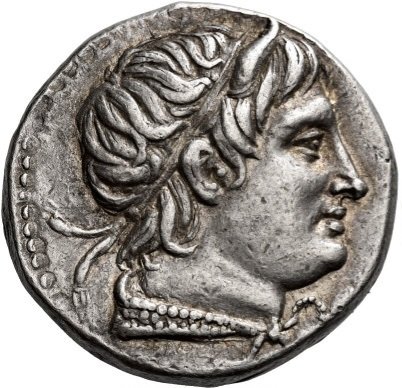
How Ancient Coins Were Made: Striking Methods Explained
Ancient coins are small pieces of history, but they were also technological achievements. Unlike modern coins, which are machine-minted with industrial precision, ancient coins were struck by hand. Every ancient coin you see is a testament to the skill and artistry of its time.
In this article, we’ll explore how ancient coins were made, from the preparation of metal to the final striking process.
The Basics of Ancient Coin Production
Ancient coin production was a multi-step process. While methods varied over time and across cultures, the general approach remained consistent. Coins were essentially small metal discs stamped with designs that conveyed authority and value.
Step 1: Preparing the Metal
The first step was to prepare the metal. Ancient mints used metals like gold, silver, and bronze. The metal was melted down and cast into small, roughly shaped blanks called flans or planchets.
These metal blanks needed to be of consistent weight and size to ensure that coins of the same denomination were uniform. This was crucial for maintaining trust in the currency.
Step 2: Engraving the Dies
The designs on ancient coins were engraved onto metal dies. A die was a hardened metal stamp that contained the coin’s design in reverse. There were typically two dies: one for the obverse (front) and one for the reverse (back) of the coin.
Engraving these dies was a skilled art. The engraver had to create a detailed mirror image of the final coin design, often including portraits, gods, symbols, and inscriptions.
Step 3: Striking the Coin
With the metal blanks and engraved dies ready, the actual striking process could begin. Each blank was placed between the two dies. The obverse die was usually fixed in place, while the reverse die was held by the minter.
The minter then struck the reverse die with a hammer, impressing the design onto the blank. Each coin was struck one at a time by hand, which is why ancient coins often have slight variations.
Variations in Striking Techniques
Different cultures had their own striking techniques. For example:
-
Greek coins were often struck with high artistic standards, and the dies were engraved by skilled artists.
-
Roman coins became more standardized over time, reflecting the efficiency of the Roman state.
-
Byzantine coins included Christian symbols and often had more stylized designs.
Why Hand-Struck Coins Are Unique
Because each coin was struck by hand, no two ancient coins are exactly alike. Small differences in alignment, pressure, or die wear give each coin its own character.
These variations are not flaws — they are part of what makes ancient coins fascinating to collectors.
Common Myths About Ancient Coin Minting
Many people assume that ancient coins were produced with primitive tools. In reality, ancient mints were highly organized and the engravers were skilled artisans. The quality of the best ancient coins rivals modern minting.
Why Understanding Minting Methods Matters
Knowing how ancient coins were made helps collectors authenticate coins and appreciate their historical context.
Absolutely, let’s keep this rolling! Here’s the rest of Article #5 to complete it.
The Legacy of Ancient Coin Striking
The methods used to strike ancient coins have left a lasting legacy. Even though modern minting is fully mechanized, the principles of coin design, weight standards, and metal consistency all began with these ancient techniques.
Collectors today value ancient coins not just for their historical significance, but also for the human craftsmanship that went into each piece. Every irregular edge or off-center strike is a reminder of the ancient minters who created it by hand.
Common Beginner Questions About Ancient Coin Striking
Q: Why are some ancient coins not perfectly round?
A: Because they were struck by hand, ancient coins often have irregular shapes. The process was not mechanized, so slight variations are normal.
Q: Do all ancient coins show signs of wear from striking?
A: Many do, especially bronze coins that circulated heavily. However, gold coins often survive in better condition due to less frequent use.
Q: Can striking marks help authenticate a coin?
A: Yes. The unique marks from hand striking can be a good indicator of authenticity. Replicas often lack these subtle, irregular details.
Final Thoughts
Understanding how ancient coins were made is more than just a technical detail. It is a window into the ancient world, revealing the craftsmanship, technology, and economic systems of the past. Each coin carries the imprint of the minters who struck it, making it a tangible link to history.
SEO Elements
SEO Title
How Ancient Coins Were Made: Striking Methods Explained
Meta Description
Discover how ancient coins were struck by hand, the techniques used, and why these methods make each coin unique.
Tags
ancient coin minting, how ancient coins were made, ancient coin striking, numismatics, ancient coin production