
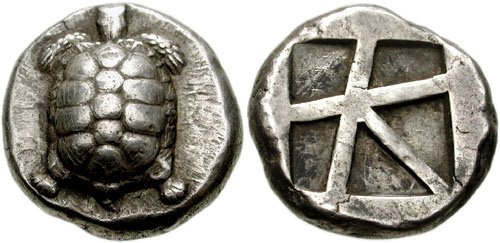
Ancient Coin Metals Explained: Gold, Silver, and Bronze
One of the first things people notice when handling an ancient coin is its metal. Is it gold, silver, or bronze? That simple observation already reveals a great deal about the coin’s purpose, status, and historical context.
In the ancient world, metal was never chosen at random. Each type carried meaning, economic function, and social importance. Understanding ancient coin metals is a key step toward proper identification and appreciation.
Why Metal Matters in Ancient Coinage
Unlike modern currency, ancient coins were closely tied to the intrinsic value of their metal. There was no central bank backing paper money. A coin’s worth was largely based on what it was made of.
Metal determined:
-
Who used the coin
-
Where it circulated
-
What it could buy
-
Who issued it
Gold, silver, and bronze each served different roles in ancient economies.
Gold Coins in the Ancient World
Purpose of Gold Coinage
Gold coins were the highest-value coins of antiquity. They were not used for everyday purchases. Instead, they were designed for:
-
State payments
-
Military salaries
-
Large trade transactions
-
Diplomatic gifts
Gold symbolized power, stability, and authority.
Who Issued Gold Coins?
Gold coinage was usually issued by:
-
Powerful kings
-
Emperors
-
Central governments
Greek city-states issued gold only occasionally, often during crises. Roman emperors used gold more systematically to project imperial strength.
Characteristics of Ancient Gold Coins
Typical features include:
-
High-quality engraving
-
Strong portraits or symbols
-
Relatively consistent weight standards
Because gold does not corrode, ancient gold coins often survive in remarkable condition.
Silver Coins in the Ancient World
The Backbone of Ancient Currency
Silver was the most important metal in ancient coinage. It formed the backbone of trade across the Mediterranean world.
Silver coins were used for:
-
Commerce
-
Taxation
-
Salaries
-
International trade
Most ancient silver coins were designed to circulate widely.
Greek Silver Coinage
Greek city-states favored silver because it was practical and abundant enough to support daily trade.
Greek silver coins are known for:
-
Artistic excellence
-
Mythological imagery
-
Strict weight systems
Silver allowed Greek economies to flourish and connect with one another.
Roman Silver Coinage
Roman silver coinage evolved over time. Early issues were heavy and pure. Later, silver content was gradually reduced to fund state expenses.
This decline in silver purity is one of the clearest indicators of economic stress in the Roman Empire.
Characteristics of Silver Coins
Silver coins often show:
-
Moderate wear from circulation
-
Toning or dark patina
-
Slight irregularities from hand striking
These features are normal and expected.
Bronze Coins in the Ancient World
Everyday Money
Bronze coins were the most common coins in ancient daily life. They were used by ordinary people for small transactions.
Bronze coinage handled:
-
Food purchases
-
Local trade
-
Market transactions
Because they were heavily used, bronze coins are often worn.
Why Bronze Was So Widely Used
Bronze was:
-
Affordable to produce
-
Durable
-
Easy to mint in large quantities
Cities and local authorities could issue bronze coins without vast reserves of precious metal.
Appearance of Ancient Bronze Coins
Bronze coins often:
-
Appear dark brown or green
-
Show corrosion or patina
-
Have softer details
A green patina is common and does not mean the coin is damaged or fake.
Mixed Metals and Special Alloys
Not all ancient coins fit neatly into gold, silver, or bronze categories.
Some ancient coins were struck in:
-
Electrum (gold-silver alloy)
-
Billon (low-silver alloy)
-
Brass-like copper alloys
These metals were often used during transitions or economic reforms.
How Metal Helps Identify an Ancient Coin
When identifying a coin, metal immediately narrows possibilities.
For example:
-
A gold coin likely indicates high authority
-
A silver coin may suggest trade or standard currency
-
A bronze coin often points to local circulation
Metal alone does not identify a coin, but it provides a strong starting point.
Common Beginner Mistakes About Metal
New collectors often assume:
-
Gold coins are always rare
-
Bronze coins are worthless
-
Dark silver coins are damaged
In reality:
-
Many bronze coins are historically important
-
Silver naturally tones over time
-
Rarity depends on type, not metal alone
Metal must always be considered alongside date, region, and condition.
Why Understanding Metal Is Essential
Metal choice reflects:
-
Economic systems
-
Political power
-
Resource availability
-
Social hierarchy
Ancient coins were more than money — they were instruments of statecraft.
Final Thoughts
Gold, silver, and bronze were not simply materials. They were tools that shaped how ancient societies functioned. Learning to recognize and understand these metals gives you immediate insight into the world that produced the coin.
Once you understand metal, identifying ancient coins becomes far more intuitive.