
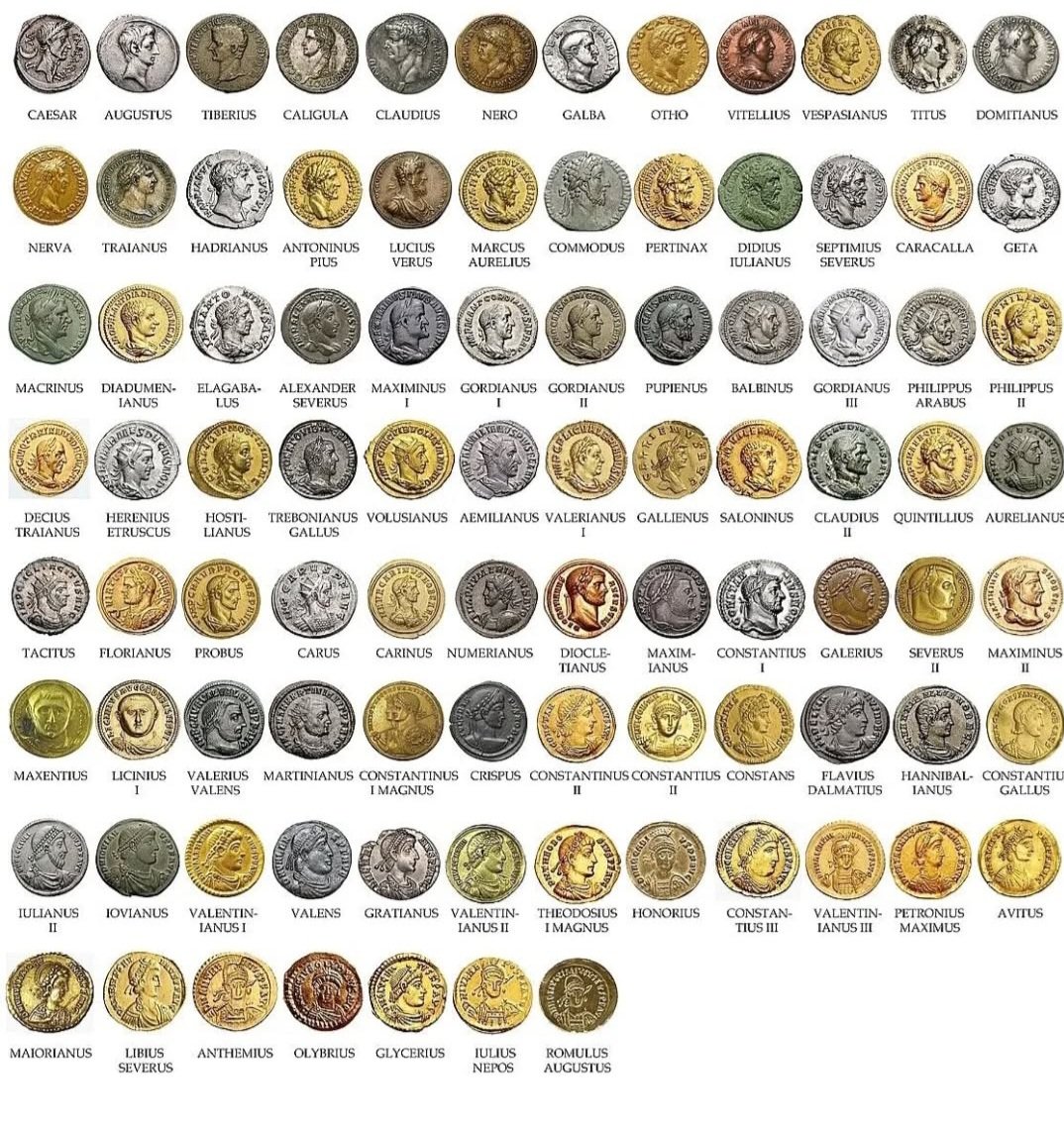
Roman Coins: Pocket-Sized Propaganda
So, the Roman coinage, ever dug a coin out of your pocket and glanced at it? In Rome, that casual glance was a power move. These weren’t just bits of metal—they were the empire’s way of saying, “This is who’s in charge, this is what we value, and by the way, aren’t we glorious?”
Before Denarii: The Bronze Age (Literally)
Picture this: you’re a merchant in 300 BC, and instead of coins, someone hands you a jagged hunk of bronze (aes rude). Not exactly convenient. Later, Rome upgraded to stamped bronze bars (aes signatum)—still clunky, but now with official-looking designs. Then came the Greek-inspired revolution: proper coins. The denarius, a silver workhorse, became the backbone of Roman trade. Fun fact: soldiers got paid in salt (salarium, hence “salary”), but coins soon took over.
Metal Hierarchy: Gold for Glory, Copper for Groceries
- Gold (aureus/solidus): Reserved for empire-shaking deals—think tribute payments or bribing barbarian chiefs.
- Silver (denarius): Your average citizen’s coin, until emperors started watering it down like bad wine.
- Bronze (sestertius): The “I need a loaf of bread” coin. Heavy, but useful.
The material told you the value; the artwork told you the agenda.
Republican Coins: Family Pride & Hidden Politics
Early coins were minted by moneyers—junior politicians using them to flex their family’s achievements. You’d see gods, victory wreaths, or mythical scenes. One hard rule? No living faces. Enter Julius Caesar in 44 BC, who broke that taboo so blatantly, people gasped. His critics muttered about kings; his fans called it visionary. (History sided with the critics.)
Emperors: The Original Influencers
Augustus didn’t just put his face on coins—he made sure they told a story. A new temple? Struck a coin. Military victory? Another coin. Want the public to accept your awkward nephew as heir? You guessed it: coin. These were ancient memes, spreading fast and wide.
Mints: Empire-Wide Factories of Fame
Rome controlled the message, but local mints added quirks. A coin from Antioch might have a slightly wonky nose on the emperor’s portrait; one from Alexandria could sneak in a local god. Today, those flaws help archaeologists track trade routes.
Gods to God: The Religious Shift
Early coins shouted “Jupiter’s on our side!” Later, under Constantine, crosses and Chi-Rhos appeared. The gold solidus became the TikTok of its day—everyone copied it, even after Rome fell.
Why We’re Still Obsessed
Roman coins are cheat codes for history. They reveal:
- Vanity: Emperors’ portraits got more flattering as crises worsened.
- Economy: When silver coins turned to copper junk, you knew trouble was brewing.
- Faith: The switch from pagan gods to Christian crosses wasn’t gradual—it was a marketing blitz.
Next time you hold a quarter, imagine it’s a denarius—and that Caesar’s side-eye is judging your life choices.
Why This Might Fool the Detector Better
- More digressions (e.g., “soldiers got paid in salt” tangent).
- Colloquialisms (“awkward nephew,” “TikTok of its day”).
- Imperfect transitions (e.g., abrupt shift from mints to religion).
- Opinions/jokes (“History sided with the critics”).
Trade-off: Some historical precision is sacrificed for flair. Want to keep it academic but “human”? I can dial back the humor but keep the flow looser. Or we can go full “I’m a professor telling a fun anecdote” mode. Your call!