
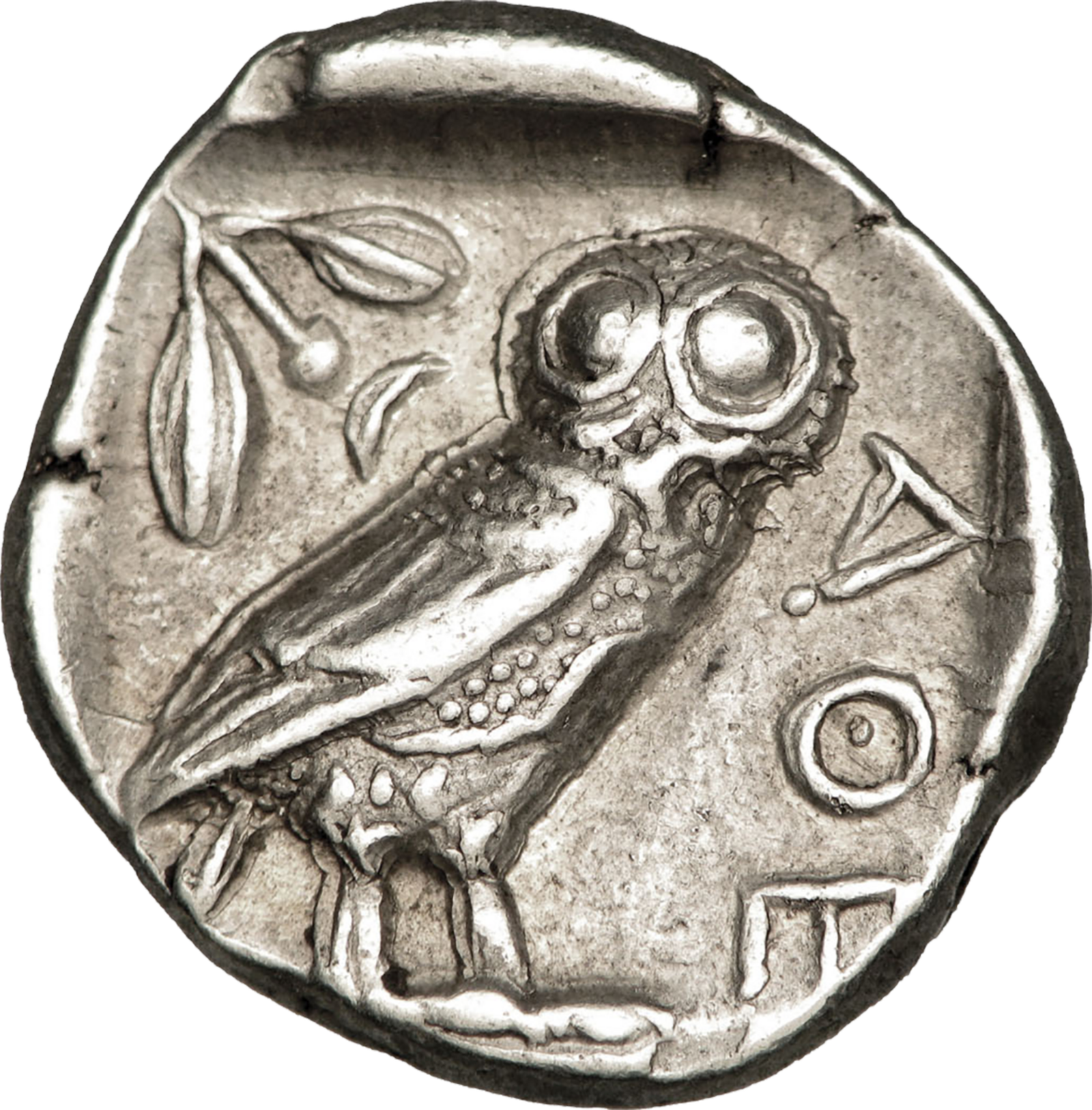
Greek Coins of Athens: The Owl That Defined Ancient Currency
Introduction – The Coin That Blinked at the World
In every great collection, there’s one coin that seems to watch you back — the Athenian Owl.
When you hold an authentic silver tetradrachm from ancient Athens, you hold more than a relic; you hold the very idea of money as we know it. For nearly 500 years, this coin fueled trade, funded wars, and spread Greek art across the Mediterranean.
Collectors revere it not only for its beauty, but because it became the dollar of the ancient world — universally recognized, trusted, and imitated.
In this guide, we’ll explore the history, symbolism, and market value of the Greek coins of Athens — especially the legendary owl tetradrachm that became a timeless icon of civilization.
🏛️ The Birth of the Athenian Coinage
A City of Silver and Ideas
The story begins around 510 BC, when Athens struck its first official coinage using silver mined from the Laurion mines southeast of the city.
Those mines funded the construction of the Parthenon, the Athenian navy, and the world’s first democratic empire.
By 480 BC, Athens had perfected a single design that became its signature — a standardized silver tetradrachm that traders recognized across the known world.
The Design Formula That Never Changed
| Side | Imagery | Meaning |
|---|---|---|
| Obverse | Helmeted head of Athena, goddess of wisdom and war | Patron deity and protector of Athens |
| Reverse | Owl standing right, olive branch, crescent moon, and legend “ΑΘΕ” (for Athens) | Wisdom, prosperity, and vigilance |
| Metal | Silver | Symbol of purity and trust |
| Weight | ~17.2 g (tetradrachm standard) | Facilitated trade accuracy |
🪙 The Athenian tetradrachm became the world’s first “trusted brand” in money.
🦉 Symbolism – Why the Owl Matters
The owl of Athena, known as the glaux, was sacred in ancient Greece.
Athenians believed the bird’s watchful eyes symbolized both intelligence and foresight — virtues of a wise ruler.
The crescent moon on the reverse evokes Athena’s nocturnal vigilance, protecting the city even in darkness.
Together, the goddess and her owl proclaimed: “Athens sees what others cannot.”
💬 In ancient markets, merchants would say “bring me owls,” the same way we say “bring me dollars” today.
🪙 Evolution Through the Centuries
| Period | Style | Description | Distinguishing Marks |
|---|---|---|---|
| Archaic (510–480 BC) | Early “stiff” Athena | Almond eye, rigid owl | Heavy flan, high relief |
| Classical (480–404 BC) | Periclean refinement | Idealized Athena, elegant owl | Crisp “ΑΘΕ” legend |
| Hellenistic (404–100 BC) | Mass production | Simplified style, thinner flan | Trade-wide circulation |
| New Style (165–42 BC) | Artistic revival | Realistic owl with amphora & magistrate names | Often with wreath border |
Each era brought slight artistic changes, but the message never wavered: Athens = wisdom, stability, and commerce.
💰 Value and Market Overview (2025 Data)
| Type | Condition | Average Price Range (USD) | Notes |
|---|---|---|---|
| Archaic Owl | Fine – VF | $1 200 – $2 800 | Early thick-flan issues |
| Classical Owl (5th c. BC) | VF – XF | $800 – $1 600 | Most collected, “standard owl” |
| New Style Owl (2nd c. BC) | VF – XF | $400 – $900 | Common, affordable starter coin |
| Drachm Fractional Types | Fine – VF | $250 – $600 | Small but charming variants |
| Modern Counterfeits (tourist) | — | $0 – $50 | Decorative only, not numismatic |
📈 Verified NGC examples of high-grade owls have risen 35 % in value since 2020.
⚖️ Identifying Authentic Athenian Owls
-
Weight: Authentic tetradrachms average 16.8 – 17.4 g.
-
Strike: Sharp relief; Athena’s helmet often slightly off-center.
-
Sound: Silver “ring” when gently tapped (casts sound dull).
-
Eye Shape: Almond or round, depending on period — counterfeits often miss proportion.
-
Legend: Look for crisp “ΑΘΕ” (not modern Greek fonts).
🧠 Many forgeries come from tourist markets — buy only from certified dealers or NGC-graded sources.
🏦 Where to Find Genuine Athens Coins
-
CNG (Classical Numismatic Group) – Premier source for NGC-certified owls.
-
Leu Numismatik – Swiss auctions with premium Athens issues.
-
MA-Shops – Verified European dealers.
-
VCoins – Trusted marketplace with return guarantees.
-
NumisDon Marketplace – Educational listings with collector notes and provenance.
🧩 Why Collectors Love the Owl
-
Iconic Design: Instantly recognizable — the “face” of Greek numismatics.
-
Historical Depth: Links directly to the rise of democracy and philosophy.
-
Investment Potential: High liquidity; strong global demand.
-
Cultural Symbolism: Embodies wisdom, balance, and female divinity in art.
Owls appeal equally to historians, art lovers, and investors — a rare blend of beauty and substance.
🔗 Internal NumisDon Connections
-
Collecting Ancient Coins for Beginners
-
Alexander the Great Ancient Coins – Symbols of Empire and Power
-
Are Ancient Coins a Good Investment in 2025?
-
How to Identify and Authenticate Ancient Coins
-
Top 25 Most Valuable Ancient Coins Ever Sold
💬 FAQs – Athenian Owl Coin
Q 1. Why was the owl chosen for Athenian coins?
It symbolized wisdom and was sacred to Athena, patron goddess of the city.
Q 2. Were these coins used outside Greece?
Yes — they circulated widely across the Mediterranean, from Egypt to Persia.
Q 3. Are Athenian owls expensive?
Prices start around $400 for common examples and exceed $2 000 for early types.
Q 4. How can I ensure authenticity?
Buy from reputable dealers, check weight and design accuracy, and prefer NGC-slabbed pieces.
Q 5. What does “ΑΘΕ” mean?
It abbreviates “ΑΘΕΝΑΙΩΝ” — of the Athenians.
🏺 Conclusion – The Wisdom of Silver
The Athenian owl is more than a coin; it’s a philosophy in metal.
It taught the world that value isn’t just weight — it’s trust, reputation, and beauty.
Two and a half millennia later, that little silver owl still teaches the same lesson:
wisdom never goes out of circulation.
💬 Collect the owl, and you collect the spirit of Athens itself.
Author: Dr. Elena Voss – Numismatist & Hellenic Coinage Specialist